How to Minimize Weight Without Sacrificing Vehicle Safety

In the competitive world of motorsport, every ounce counts. Enthusiasts and professional teams alike strive for the perfect balance between weight reduction and safety. The challenge lies in sourcing high-quality, FIA-compliant parts that enhance performance while ensuring the vehicle remains safe during intense racing conditions. This article aims to provide solutions to the common dilemma of minimizing weight without compromising the safety of your vehicle. For amateur racers and rally teams, it can be daunting to navigate the plethora of options available for vehicle upgrades. From racing safety gear to vehicle preparation gear, finding reliable suppliers that offer discount motorsport safety equipment while maintaining rigorous safety standards is critical. By understanding the available options and methods for weight reduction, you can enhance your vehicle's performance without sacrificing essential safety features. Race And Rally Parts Understanding Weight Reduction in Motorsport The primary goal of weight reduction in motorsport is to improve speed and handling. A lighter vehicle accelerates faster, stops shorter, and handles better. However, reducing weight cannot come at the expense of safety. Key components such as the roll cage, seat belts, and fire suppression systems are vital for protecting drivers in case of an incident. This is where careful planning and informed choices come into play. When considering weight reduction, it's essential to focus on specific areas of your vehicle. This includes the chassis, suspension components, and even the interior. Each of these areas presents opportunities to shed weight while ensuring compliance with safety regulations. Top Race Car Parts to Upgrade Your Track Performance Key Areas for Weight Reduction Without Compromising Safety To effectively minimize weight, focus on the following vehicle components:
  • Chassis: Consider lightweight materials such as carbon fiber or aluminum to replace heavier steel components.
  • Suspension: Upgrading to lightweight suspension parts can improve responsiveness while reducing weight.
  • Interior: Remove unnecessary components or replace stock seats with FIA-compliant racing seats designed for safety and weight savings.
  • Wheels: Lightweight alloy wheels can contribute significantly to overall weight reduction and enhance performance.
Choosing the Right Motorsport Safety Equipment Selecting the right motorsport safety equipment is paramount. High-quality equipment not only assures safety but can also contribute to a lower weight. Here are several critical pieces of safety gear to consider: 1. FIA-Compliant Racing Seats Investing in lightweight, FIA-approved racing seats provides both comfort and safety. These seats are designed to hold you securely in place during high-speed maneuvers while also offering a weight advantage over standard seats. 2. Harnesses Safety harnesses are crucial for driver protection. Opt for lightweight options that meet FIA standards to ensure safety without unnecessary bulk. A 5-point harness, for example, will keep the driver secure and can be lighter than traditional seatbelt systems. 3. Fire Suppression Systems While not a direct weight-saving measure, a proper fire suppression system is essential for safety. When choosing a system, look for compact designs that minimize weight without sacrificing effectiveness. These systems can be mounted discreetly within the vehicle. Race and Rally Motorsport 4. Roll Cages Installing a roll cage is non-negotiable for safety in motorsport. Choose models made from lightweight materials, such as chromoly steel, which provides the required strength with less weight compared to standard steel constructions. Essential Rally Car Parts Every Driver Needs to Succeed Practical Steps for Weight Reduction Implementing weight reduction strategies requires a systematic approach. Here are steps to consider: 1. **Assessment**: Start by reviewing the current weight distribution of your vehicle. Use a scale to measure each component's weight. 2. **Identify Heavy Components**: Make a list of parts that contribute the most weight. Prioritize replacing or modifying these components first. 3. **Research Upgrades**: Research where to buy motorsport safety equipment and lightweight components that meet your needs. 4. **Install Quality Parts**: Ensure that all replacements are FIA-compliant to maintain safety standards. How to Minimize Weight Without Sacrificing Vehicle Safety 5. **Test and Monitor Performance**: After modifications, take your vehicle for a test run to assess performance changes. Adjust as necessary. best rally car parts shop Understanding the Costs Associated with Weight Reduction When preparing for intense racing environments, understanding the costs involved in weight reduction is crucial. While lightweight parts often come at a premium, they can lead to significant performance improvements. Consider the following:
Component Standard Weight (lbs) Lightweight Alternative Weight (lbs) Cost Difference Chassis 300 200 $2,500 Suspension 150 100 $1,200 Racing Seat 50 20 $800 Fire Suppression System 30 15 $600
While the upfront costs can be substantial, investing in high-quality components can lead to better performance on the track and enhanced safety during competitions. Pros and Cons of Weight Reduction in Motorsport As with any modification, there are pros and cons to consider when it comes to weight reduction in motorsport vehicles. Pros: Improved acceleration, better handling, increased fuel efficiency, and potentially lower tire wear due to less overall weight. Cons: Upfront costs can be high, potential for decreased comfort in stripped-down vehicles, and the necessity of ensuring that all parts remain FIA-compliant for safety. Ultimately, the goal is to enhance performance while maintaining rigorous safety standards. The engineering balance between weight and safety is where true innovation occurs in motorsport. Conclusion: Balancing Performance and Safety in Motorsport In conclusion, minimizing weight without sacrificing vehicle safety is a challenging yet rewarding endeavor for motorsport enthusiasts and professional teams alike. By carefully selecting lightweight components and high-quality safety gear, you can significantly enhance your vehicle's performance while ensuring compliance with safety regulations. Remember to assess your vehicle, prioritize critical components for weight reduction, and invest in FIA-compliant parts. This strategic approach not only optimizes performance but also fosters a culture of safety and excellence in the racing world. Frequently Asked Questions About Weight Reduction and Safety How much weight can I realistically save by upgrading my racing seat? By upgrading to a FIA-compliant racing seat, you can save anywhere from 10 to 30 pounds, depending on the model and material used. Lightweight racing seats are specifically designed to provide safety without the bulk of standard seats. Is it worth investing in lightweight wheels? Yes, lightweight wheels can significantly improve your vehicle's handling and acceleration. Savings in rotational mass lead to quicker response times, enhancing overall performance on the track. What happens if I remove my vehicle's interior to save weight? While removing the interior can save considerable weight, it's crucial to ensure that safety features, such as roll cages and seat belts, remain intact. Additionally, consider how this might affect your vehicle's comfort and usability outside of racing. How can I ensure my vehicle meets safety regulations after modifications? Always consult the FIA guidelines and have your vehicle inspected by a qualified professional to ensure compliance with safety regulations after any major modifications. Are there affordable options for discount motorsport safety equipment? Yes, many suppliers offer promotional discounts or package deals for motorsport safety equipment. Research and compare prices from multiple suppliers to find the best options that meet your requirements. Can a lighter vehicle affect my fuel efficiency? Absolutely. A lighter vehicle typically experiences less drag and requires less power to accelerate, which can lead to improved fuel efficiency during both racing and regular driving conditions.

Why Professional Drivers Choose Custom Molded Earplugs for Racing

As the sun began to rise over the racetrack, the unmistakable roar of engines filled the air, signaling the start of an exhilarating day of motorsport. For professional drivers, every shift and turn on the circuit is accompanied by a symphony of sounds-some thrilling, others potentially destructive. Amidst this cacophony, custom molded earplugs stand out as a vital piece of equipment for those who prioritize both performance and safety on the track. These finely engineered earplugs, designed specifically for each individual, have become a staple among elite racers. But what makes them so essential? Drivers face a unique set of challenges, with the intense noise levels within racing environments posing significant risks to their hearing health and overall performance. High-frequency sounds, like tire screeches and engine roars, can become overwhelming, distracting drivers at critical moments. Custom molded earplugs offer a tailored solution that not only mitigates noise but also enhances focus, enabling drivers to perform at their best. Let's delve deeper into why these earplugs have garnered such popularity among professional drivers. racing harnesses Understanding the Need for Noise Protection in Racing In the world of motorsport, noise is an omnipresent element, often leading to fatigue and even hearing loss over time. Studies suggest that prolonged exposure to sounds above 85 decibels-common in racing environments-can cause irreversible damage. The racing industry has come to recognize the importance of protecting drivers' auditory health, leading to the adoption of earplugs as a standard practice. Why Professional Drivers Choose Custom Molded Earplugs Custom molded earplugs are crafted to fit the unique contours of an individual's ear, ensuring a snug fit that not only blocks harmful noise but also allows for clear communication with team members. This precision fitting is crucial, as standard earplugs often fail to provide adequate protection or comfort during long hours on the track. Key Features of Custom Molded Earplugs What sets custom molded earplugs apart from conventional options is their specialized design and construction. Here are some key features that make them a preferred choice among professional drivers:
  • Tailored Fit: Custom earplugs are molded specifically to an individual's ear shape, ensuring maximum comfort and stability during use.
  • Noise Reduction: They can significantly reduce sound levels, providing a safer environment without completely isolating the driver from necessary sounds.
  • Durability: Made from high-quality materials, these earplugs can withstand the rigors of racing and last much longer than standard foam options.
  • Communication Enhancement: Despite their noise-blocking capabilities, many models allow for clear communication, essential for team coordination.
  • Moisture Resistance: Custom molded earplugs often feature materials designed to resist sweat and moisture, ensuring they remain effective and comfortable during intense races.
The Process of Getting Custom Molded Earplugs Obtaining custom molded earplugs involves several straightforward steps. Initially, an audiologist or a specialized provider will take an impression of the ear to create a precise mold. This impression process can take just a few minutes and is painless, yet critical for optimal fit and effectiveness. Following this, the mold is sent to a manufacturer who will fabricate the earplugs using high-grade materials, tailored to the driver's needs. https://forum.sigma-ood.com/index.php?topic=323466.0 Top Race Car Parts to Upgrade Your Track Performance The time frame for receiving custom earplugs can vary, but generally, it's a matter of weeks rather than months. Many drivers find the investment in comfort and safety worth the wait, especially given the potential risks associated with noise exposure on the track. Performance Enhancement through Hearing Protection Using custom molded earplugs can significantly enhance a driver's performance. By reducing distracting noise, drivers can better concentrate on their racing strategy, gauge their vehicle's performance, and respond swiftly to dynamic track conditions. Additionally, the ability to communicate with pit crews without needing to remove earplugs offers an edge in coordination and strategy during races. For instance, imagine a driver during a crucial race segment. With ambient noise reduced, they're able to focus entirely on the engine feedback and tire performance, facilitating quicker decision-making. This heightened awareness can mean the difference between winning and losing, particularly in high-stakes situations. Essential Rally Car Parts Every Driver Needs to Succeed Cost Considerations: Are Custom Molded Earplugs Worth It? The investment in custom molded earplugs can vary widely based on the manufacturer and additional features. While they typically range from $150 to $300, many drivers consider them a worthy investment due to their longevity and effectiveness. In comparison, frequently purchasing disposable earplugs can add up over time and may not provide the same level of protection or comfort. RaceAndRally Moreover, the cost should be weighed against the potential risks associated with hearing loss in highly noisy environments. Considering that a single instance of hearing damage can have lifelong consequences, the benefits of custom molded earplugs become even more apparent. To help illustrate the cost-effectiveness, let's consider a simple calculation: If a driver spends $20 per month on disposable earplugs, that's $240 per year. A one-time investment in custom molded earplugs might be recouped in less than a year, all while providing superior comfort and protection. For motorsport enthusiasts and professional teams looking to enhance their racing experience, custom molded earplugs are more than just a luxury; they are a necessary tool for performance and safety. They exemplify how investing in specialized equipment can yield significant benefits both on and off the track.
  1. Purchase custom molded earplugs from a reputable provider.
  2. Schedule an appointment with an audiologist to get a precise ear impression.
  3. Wait for the custom earplugs to be manufactured and delivered.
  4. Enjoy enhanced performance and safety on the racetrack.
Frequently Asked Questions about Custom Molded Earplugs How long do custom molded earplugs last? Typically, custom molded earplugs can last anywhere from 3 to 5 years, depending on usage and care. Proper maintenance can extend their lifespan significantly. Can I use custom molded earplugs for other activities? Yes, these earplugs can be used for various activities beyond racing, including shooting sports, concerts, and other high-noise environments, providing versatile protection. Is the fitting process uncomfortable? No, the fitting process is quick and painless, usually taking only a few minutes to create an accurate mold of your ear. Are there different types of custom earplugs available? Yes, several types are available, including those designed specifically for noise reduction, communication, and even music listening, catering to various needs. How do I clean and maintain my custom earplugs? Cleaning typically involves rinsing with mild soap and water, ensuring they are thoroughly dried before storage to maintain their integrity. Where can I purchase custom molded earplugs? They can be purchased from audiologists, specialized earplug manufacturers, and some online retailers, ensuring a reliable source for quality products.

How to Prepare Your Vehicle for Scrutineering Success

In the world of motorsport, scrutineering is a critical step that can make or break your racing experience. With over 85% of teams facing issues during scrutineering due to inadequate vehicle preparation, it is imperative to understand what is needed to ensure compliance and safety. This process is not only about meeting regulations but also about enhancing your vehicle's performance and reliability on the track. For motorsport enthusiasts, amateur racers, and professional rally teams, preparing your vehicle for scrutineering requires a mix of diligence in research, investment in high-quality parts, and a comprehensive safety mindset. From race car parts to motorsport safety equipment, knowing what to source and how to implement these upgrades will be pivotal in passing inspection and achieving racing success. Race and Rally Parts Understanding the Scrutineering Process Scrutineering refers to the inspection of vehicles before a race event to ensure they comply with safety regulations and standards set by governing bodies. This process typically includes checks on safety equipment, vehicle dimensions, and performance parts. Understanding these requirements is the first step towards success. During scrutineering, inspectors will cover various aspects of your vehicle, including the following:
  • Safety gear compliance
  • Fuel system integrity
  • Weight specifications
  • Brake performance
  • Tyre condition and specifications
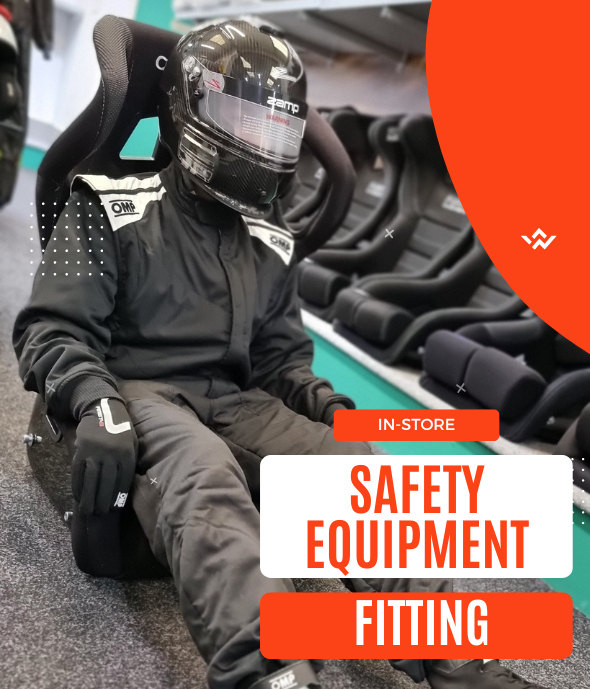
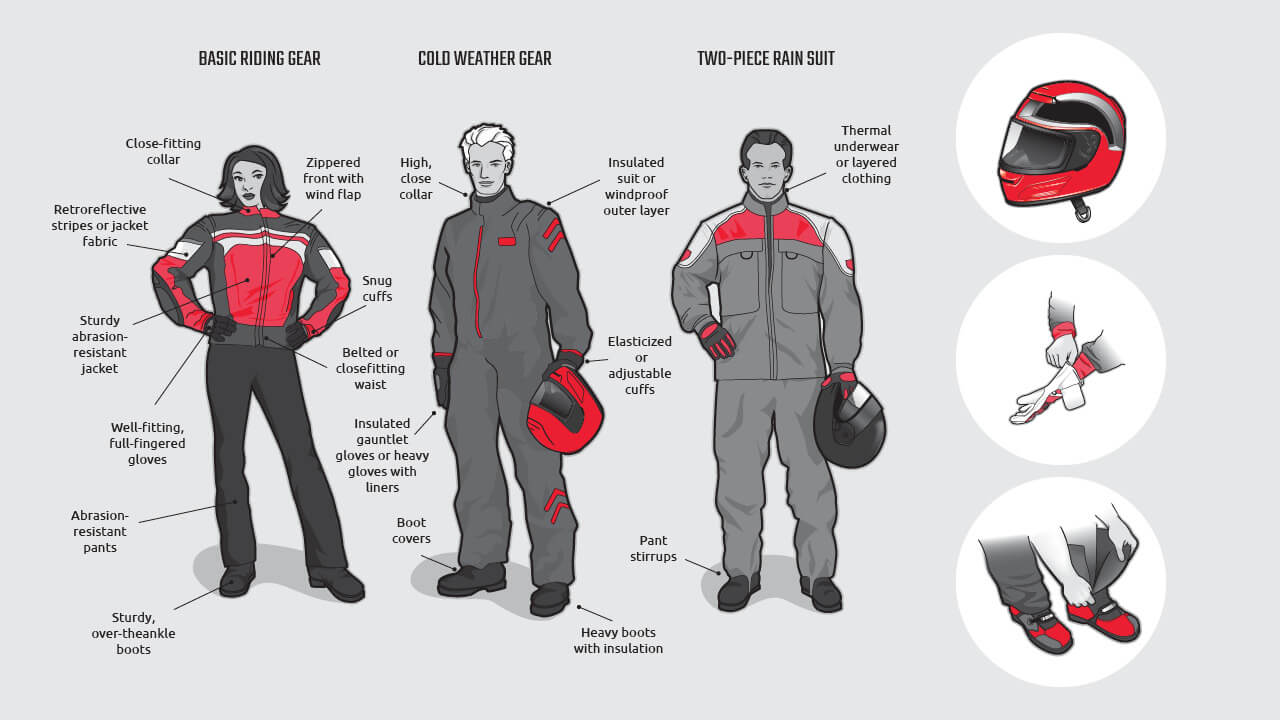
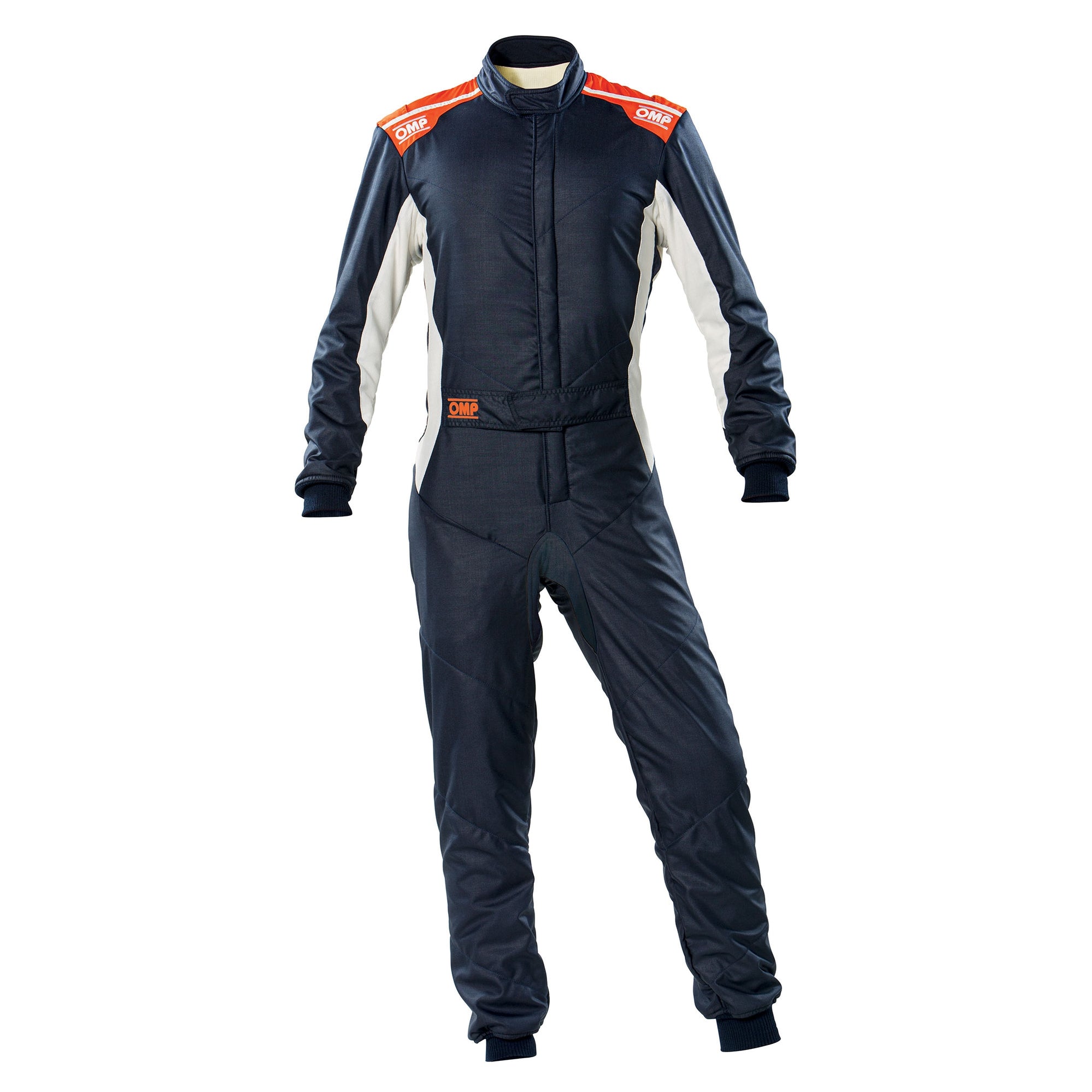
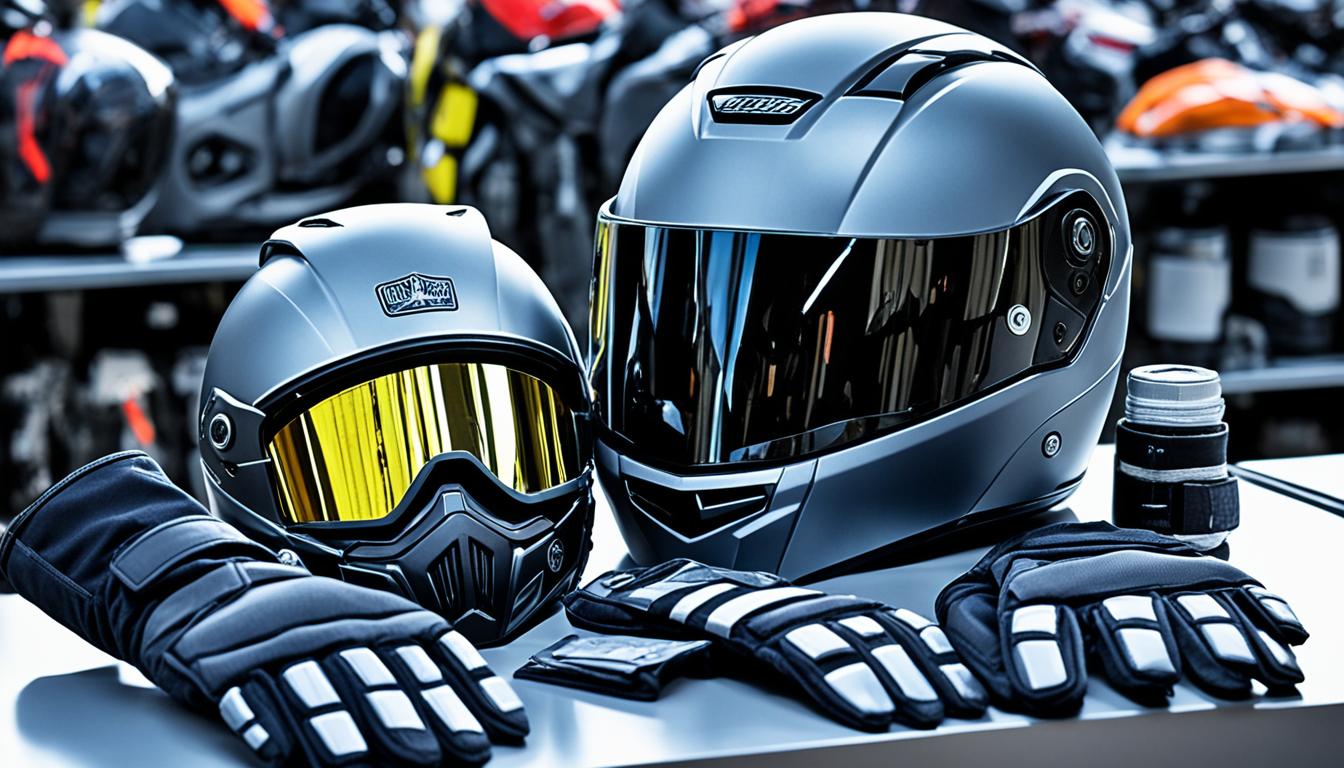
Neglecting any of these components can result in disqualification or penalties, significantly affecting your racing experience. Therefore, it is essential to familiarize yourself with the specific rules and regulations of the event you are entering. A Comprehensive Guide to Motorsport Safety Equipment Essential Vehicle Preparation Gear The right gear is fundamental for ensuring your vehicle meets scrutineering requirements. Investing in FIA-compliant parts and safety equipment is non-negotiable for all serious racers. Key components include: Fire Suppression System: Mandatory for many racing events, this system helps to mitigate fire risks in the cockpit or engine bay. Rally Car Parts: Upgrading to high-performance rally parts can enhance durability and reliability on rough terrains. Race Suits and Helmets: Ensure all drivers wear fire-resistant suits and helmets that meet safety standards. Harnesses and Seats: Properly installed FIA-approved harnesses and racing seats provide essential support and safety during high-speed maneuvers. Roll Cages: A robust roll cage should be installed to protect occupants in the event of a rollover. Top Race Car Parts to Upgrade Your Track Performance How to Check Your Vehicle's Compliance Before heading to scrutineering, performing your own pre-inspection of the vehicle can save time and avoid any surprises. Here's how to carry out a self-check: Review Regulations: Consult the event regulations for specific requirements related to your vehicle type. vehicle preparation gear Safety Gear Inspection: Ensure all safety gear is in place, functional, and compliant with regulations. Fluid Levels and Equipment: Check coolant, oil, and brake fluid levels. Verify that all equipment, such as fire extinguishers, is accessible and functioning. Tire Condition: Inspect tires for wear and ensure they meet the event's specifications on type and pressure. Mechanical Check: Listen for abnormal noises, check brakes, suspension, and steering for smooth operation. Common Issues to Avoid During Scrutineering Many teams face common pitfalls during the scrutineering process. Here are issues you should proactively address to prevent unnecessary delays or disqualifications: How to Prepare Your Vehicle for Scrutineering Success Outdated Safety Equipment: Ensure all safety gear is within the expiration dates and meets the latest FIA standards. Improper Weight Distribution: Make sure your vehicle complies with the minimum weight requirements and ensure weight distribution is optimized. Incomplete Documentation: Bring all necessary documentation, including proof of compliance for parts and equipment. Unsecured Loose Items: Remove or secure any loose items in the vehicle that could pose a hazard on the track. Addressing these common issues beforehand will give you a competitive edge and peace of mind. Investing in Quality: The Importance of Reliable Parts Investing in high-quality parts is imperative for both enhanced performance and successful scrutineering. While it may be tempting to opt for cheaper alternatives, subpar parts can lead to failures during both inspections and racing. Race and Rally Store The benefits of using high-quality, FIA-compliant parts include: Essential Rally Car Parts Every Driver Needs to Succeed
  • Increased safety through reliable gear
  • Improved vehicle performance and handling
  • Reduced risk of technical failures during events
  • Enhanced longevity of components
For example, using a quality fire suppression system may cost more upfront, but it could save lives and prevent severe damage to your vehicle. Final Checklist for Scrutineering Readiness To ensure you don't miss anything crucial, here's a final checklist to review before heading to scrutineering: Confirm all safety equipment is compliant and accessible. Inspect the vehicle thoroughly for mechanical issues. Review documentation for all parts and safety gear. Double-check weight and fluid levels. Secure or remove loose items from the car. Comparing Top Motorsport Safety Equipment
Safety Equipment Type FIA Compliance Average Cost Fire Suppression System Active Yes $1,500 Racing Harness Passive Yes $400 Race Suit Passive Yes $1,200 Helmet Personal Yes $600
Addressing the Costs of Motorsport Preparation Many amateur racers often struggle with sourcing high-quality vehicle upgrades while remaining budget-conscious. While investing in top-tier parts may seem daunting, consider it a long-term investment in not only safety but also performance. You can find ways to reduce costs without compromising quality, such as: Buy in Bulk: If you're part of a team, consider purchasing gear in larger quantities to negotiate better deals. Seek Sponsorships: Approach local businesses or larger organizations for sponsorships to help fund your preparations. Purchase Used Gear: Explore gently used equipment from reputable sources that meet compliance standards. DIY Maintenance: Learn to perform basic maintenance and upgrades yourself to save on labor costs while understanding your vehicle better. By being strategic in your preparation process, you can effectively navigate the associated costs and ensure your vehicle is race-ready. Frequently Asked Questions About Vehicle Scrutineering What are the key items that scrutineers check during inspections? Scrutineers primarily check safety equipment like fire suppression systems, the integrity of the fuel system, the condition of tires, and ensure that the vehicle meets weight specifications. They may also conduct checks on the braking system and overall mechanical function to ensure compliance with safety standards. How long does the scrutineering process usually take? The duration of scrutineering can vary depending on the event, but it typically takes anywhere from 30 minutes to several hours. It's crucial to arrive early to accommodate potential delays or additional checks that may be required. Is it necessary to have a fire suppression system installed? Yes, in many motorsport events, having an FIA-compliant fire suppression system is mandatory for safety reasons. It serves as a critical safety measure to protect drivers in the event of a fire during a race. What happens if my vehicle fails scrutineering? If your vehicle fails scrutineering, you may be given the opportunity to address specific issues and return for a re-inspection. However, if the issues are severe, you may not be allowed to compete in the event, emphasizing the importance of thorough pre-inspection. Can I still race if my vehicle meets all safety requirements but is not up to optimal performance? Yes, as long as your vehicle meets the safety regulations set by the event organizers, you can still race. However, optimal performance is crucial for competitive success, so consider upgrading parts to enhance your vehicle's capabilities. How can I reduce the costs associated with vehicle preparation for scrutineering? To minimize costs, consider buying parts in bulk, seeking sponsorships, exploring gently used equipment, and learning to perform basic maintenance and upgrades on your own. This approach not only saves money but also deepens your understanding of your vehicle.

The Advantage of Braided Brake Lines in High-Stress Racing

Picture a rally car, engine roaring, tires screeching, as it navigates a treacherous mountain pass at breakneck speeds. The driver grips the steering wheel, heart pounding, but there's something else at play here; it's the precision of the braking system. In the world of motorsport, every component matters, especially when it comes to safety and performance. One of the unsung heroes of this system is the braided brake line. These lines are not just a minor upgrade but a significant enhancement that can mean the difference between victory and disaster. For motorsport enthusiasts, amateur racers, and professional teams, investing in high-quality components like braided brake lines is essential. This article delves deep into the advantages of braided brake lines, exploring their performance benefits, durability, and how they contribute to overall vehicle safety. Prepare to transform your understanding of racing brake systems, and uncover why these components are vital for serious racers. Race and Rally What are Braided Brake Lines and How Do They Work? Braided brake lines are made from outer layers of stainless steel woven together, encapsulating a rubber inner lining. This construction provides several advantages over traditional rubber brake lines, primarily in terms of heat resistance and pressure handling. As vehicles are pushed to their limits on the track, brake lines can experience significant stress. The braided design offers increased strength, allowing these lines to withstand the high pressure generated during intense braking scenarios. The Advantage of Braided Brake Lines in High-Stress Racing Moreover, the flexibility of the braid allows for better movement without expanding under pressure, which is critical during racing. When a driver applies the brakes, the hydraulic fluid travels through these lines to engage the brake calipers. The stiffness and strength of braided lines ensure that the brake pedal feels responsive and firm, offering better control during critical moments. Key Performance Benefits of Braided Brake Lines Implementing braided brake lines can lead to several performance enhancements, particularly in racing environments. Here are some key benefits:
  • Reduced Brake Fade: Braided lines are less prone to expansion, which diminishes the effects of brake fade during prolonged use.
  • Improved Responsiveness: The rigidity of braided lines enhances pedal feel, giving drivers immediate feedback during braking.
  • Enhanced Safety: Increased durability and resistance to abrasion can lead to greater safety on the track, minimizing the risk of failure.
  • Heat Resistance: The stainless steel outer layer dissipates heat more effectively than rubber, maintaining optimal performance under high-stress conditions.
  • Consistent Performance: Unlike traditional lines, braided lines do not swell or bulge under pressure, ensuring consistent braking performance.
Comparing Braided Brake Lines to Rubber Lines Understanding the differences between braided brake lines and traditional rubber lines is vital for making informed decisions. Below is a comparison outlining their strengths and weaknesses: Essential Rally Car Parts Every Driver Needs to Succeed
Feature Braided Brake Lines Rubber Brake Lines Durability High, resistant to abrasion and wear Lower, prone to cracking and wear over time Flexibility Moderate, maintains shape under pressure High, but can swell under pressure Temperature Resistance Excellent, withstands high heat Limited, can degrade at high temperatures Cost Higher initial investment Lower, but may require frequent replacements
How to Install Braided Brake Lines: A Step-by-Step Guide Switching to braided brake lines can greatly enhance your vehicle's braking performance. Here's a straightforward guide to help you with the installation: motorsport clothing
  1. Gather Tools: You will need a brake line wrench, a jack, jack stands, and the new braided brake lines.
  2. Lift the Vehicle: Safely elevate the car using a jack and secure it on jack stands to access the brake lines easily.
  3. Remove Old Lines: Use the brake line wrench to disconnect the rubber lines from the calipers and master cylinder.
  4. Install Braided Lines: Attach the new braided lines, ensuring they are routed correctly and securely fastened.
  5. Bleed the Brakes: After installation, bleed the brake system to remove any air from the lines.
  6. Test the System: Before hitting the track, check for leaks and perform a test by pressing the brake pedal.
By following these steps, you can upgrade your vehicle's braking system, enhancing both performance and safety. Understanding the Costs Involved in Upgrading to Braided Brake Lines While the upfront cost of braided brake lines may be higher than traditional rubber lines, the long-term benefits often justify the investment. Typically, a set of braided lines can range from $100 to $300, depending on the vehicle and brand. Additionally, considering the reduced need for frequent replacements and the enhanced performance on the track, the cost becomes more manageable for dedicated racers. Top Race Car Parts to Upgrade Your Track Performance Moreover, when evaluating the cost, it's critical to factor in the potential savings from avoiding accidents or failures during high-stress situations. The assurance of having a reliable braking system can lead to better performance and potentially higher placements in races. For those looking to ensure their vehicles are FIA-compliant, these lines are often a must-have. Pros and Cons of Braided Brake Lines As with any upgrade, it's essential to weigh the pros and cons of braided brake lines to make an informed decision: Choosing the Best Race Suits for Optimal Comfort and Safety Pros:Enhanced safety: Reduced risk of brake failure during extreme conditions. professional race suits onlineBetter performance: Increased responsiveness and control. A Comprehensive Guide to Motorsport Safety EquipmentDurability: Lasting material resistant to wear and heat. Cons:Higher initial cost: More expensive than rubber lines. Installation complexity: May require professional assistance if you lack experience. Localized FAQ Section Frequently Asked Questions About Braided Brake Lines How often should I replace braided brake lines? Typically, braided brake lines can last for several years, but it's recommended to inspect them regularly and replace them if you notice signs of wear or damage. Many racers replace them every 3-5 years or after a significant amount of track time. Are braided brake lines compatible with all vehicles? Most vehicles can be fitted with braided brake lines, but specific kits are designed for different makes and models. Always ensure the lines are compatible with your vehicle's braking system before purchasing. Can I install braided brake lines myself? Yes, if you have basic mechanical skills, you can install braided brake lines yourself. However, if you're unfamiliar with brake systems, it may be wise to consult a professional to ensure proper installation. Will braided brake lines improve my car's braking performance? Yes, braided brake lines provide superior performance by reducing fluid expansion and enhancing responsiveness, resulting in more precise braking control. Do braided brake lines require any special maintenance? Braided brake lines are relatively low maintenance but should be inspected periodically for any signs of wear, leaking, or corrosion. Regular bleeding of the brake system is also recommended for optimal performance. Are braided brake lines necessary for casual driving? If you are only using your vehicle for casual driving, braided brake lines are not essential. However, if you participate in motorsports or track days, they can significantly enhance braking performance and safety.

How to Minimize Weight Without Sacrificing Vehicle Safety

In the competitive world of motorsport, every ounce counts. Enthusiasts and professional teams alike strive for the perfect balance between weight reduction and safety. The challenge lies in sourcing high-quality, FIA-compliant parts that enhance performance while ensuring the vehicle remains safe during intense racing conditions. This article aims to provide solutions to the common dilemma of minimizing weight without compromising the safety of your vehicle. For amateur racers and rally teams, it can be daunting to navigate the plethora of options available for vehicle upgrades. From racing safety gear to vehicle preparation gear, finding reliable suppliers that offer discount motorsport safety equipment while maintaining rigorous safety standards is critical. By understanding the available options and methods for weight reduction, you can enhance your vehicle's performance without sacrificing essential safety features. Race & Rally Understanding Weight Reduction in Motorsport The primary goal of weight reduction in motorsport is to improve speed and handling. A lighter vehicle accelerates faster, stops shorter, and handles better. However, reducing weight cannot come at the expense of safety. Key components such as the roll cage, seat belts, and fire suppression systems are vital for protecting drivers in case of an incident. This is where careful planning and informed choices come into play. When considering weight reduction, it's essential to focus on specific areas of your vehicle. This includes the chassis, suspension components, and even the interior. Each of these areas presents opportunities to shed weight while ensuring compliance with safety regulations. Top Race Car Parts to Upgrade Your Track Performance Key Areas for Weight Reduction Without Compromising Safety To effectively minimize weight, focus on the following vehicle components:
  • Chassis: Consider lightweight materials such as carbon fiber or aluminum to replace heavier steel components.
  • Suspension: Upgrading to lightweight suspension parts can improve responsiveness while reducing weight.
  • Interior: Remove unnecessary components or replace stock seats with FIA-compliant racing seats designed for safety and weight savings.
  • Wheels: Lightweight alloy wheels can contribute significantly to overall weight reduction and enhance performance.
Choosing the Right Motorsport Safety Equipment Selecting the right motorsport safety equipment is paramount. High-quality equipment not only assures safety but can also contribute to a lower weight. Here are several critical pieces of safety gear to consider: 1. FIA-Compliant Racing Seats Investing in lightweight, FIA-approved racing seats provides both comfort and safety. These seats are designed to hold you securely in place during high-speed maneuvers while also offering a weight advantage over standard seats. 2. Harnesses Safety harnesses are crucial for driver protection. Opt for lightweight options that meet FIA standards to ensure safety without unnecessary bulk. A 5-point harness, for example, will keep the driver secure and can be lighter than traditional seatbelt systems. 3. Fire Suppression Systems While not a direct weight-saving measure, a proper fire suppression system is essential for safety. When choosing a system, look for compact designs that minimize weight without sacrificing effectiveness. These systems can be mounted discreetly within the vehicle. Race and Rally Equipment 4. Roll Cages Installing a roll cage is non-negotiable for safety in motorsport. Choose models made from lightweight materials, such as chromoly steel, which provides the required strength with less weight compared to standard steel constructions. Essential Rally Car Parts Every Driver Needs to Succeed Practical Steps for Weight Reduction Implementing weight reduction strategies requires a systematic approach. Here are steps to consider: 1. **Assessment**: Start by reviewing the current weight distribution of your vehicle. Use a scale to measure each component's weight. 2. **Identify Heavy Components**: Make a list of parts that contribute the most weight. Prioritize replacing or modifying these components first. 3. **Research Upgrades**: Research where to buy motorsport safety equipment and lightweight components that meet your needs. 4. **Install Quality Parts**: Ensure that all replacements are FIA-compliant to maintain safety standards. How to Minimize Weight Without Sacrificing Vehicle Safety 5. **Test and Monitor Performance**: After modifications, take your vehicle for a test run to assess performance changes. Adjust as necessary. motorsport clothing Understanding the Costs Associated with Weight Reduction When preparing for intense racing environments, understanding the costs involved in weight reduction is crucial. While lightweight parts often come at a premium, they can lead to significant performance improvements. Consider the following:
Component Standard Weight (lbs) Lightweight Alternative Weight (lbs) Cost Difference Chassis 300 200 $2,500 Suspension 150 100 $1,200 Racing Seat 50 20 $800 Fire Suppression System 30 15 $600
While the upfront costs can be substantial, investing in high-quality components can lead to better performance on the track and enhanced safety during competitions. Pros and Cons of Weight Reduction in Motorsport As with any modification, there are pros and cons to consider when it comes to weight reduction in motorsport vehicles. Pros: Improved acceleration, better handling, increased fuel efficiency, and potentially lower tire wear due to less overall weight. Cons: Upfront costs can be high, potential for decreased comfort in stripped-down vehicles, and the necessity of ensuring that all parts remain FIA-compliant for safety. Ultimately, the goal is to enhance performance while maintaining rigorous safety standards. The engineering balance between weight and safety is where true innovation occurs in motorsport. Conclusion: Balancing Performance and Safety in Motorsport In conclusion, minimizing weight without sacrificing vehicle safety is a challenging yet rewarding endeavor for motorsport enthusiasts and professional teams alike. By carefully selecting lightweight components and high-quality safety gear, you can significantly enhance your vehicle's performance while ensuring compliance with safety regulations. Remember to assess your vehicle, prioritize critical components for weight reduction, and invest in FIA-compliant parts. This strategic approach not only optimizes performance but also fosters a culture of safety and excellence in the racing world. Frequently Asked Questions About Weight Reduction and Safety How much weight can I realistically save by upgrading my racing seat? By upgrading to a FIA-compliant racing seat, you can save anywhere from 10 to 30 pounds, depending on the model and material used. Lightweight racing seats are specifically designed to provide safety without the bulk of standard seats. Is it worth investing in lightweight wheels? Yes, lightweight wheels can significantly improve your vehicle's handling and acceleration. Savings in rotational mass lead to quicker response times, enhancing overall performance on the track. What happens if I remove my vehicle's interior to save weight? While removing the interior can save considerable weight, it's crucial to ensure that safety features, such as roll cages and seat belts, remain intact. Additionally, consider how this might affect your vehicle's comfort and usability outside of racing. How can I ensure my vehicle meets safety regulations after modifications? Always consult the FIA guidelines and have your vehicle inspected by a qualified professional to ensure compliance with safety regulations after any major modifications. Are there affordable options for discount motorsport safety equipment? Yes, many suppliers offer promotional discounts or package deals for motorsport safety equipment. Research and compare prices from multiple suppliers to find the best options that meet your requirements. Can a lighter vehicle affect my fuel efficiency? Absolutely. A lighter vehicle typically experiences less drag and requires less power to accelerate, which can lead to improved fuel efficiency during both racing and regular driving conditions.

Maximizing Track Performance with the Right Accessories

Pros and Cons of Upgrading to Premium Race Parts Upgrading to premium race parts comes with its own set of advantages and disadvantages. Understanding these can help you make informed decisions about your vehicle modifications. check these guys out

For example, a team that uses reflective materials or contrasting colors in their livery can be more easily seen by competitors and marshals. This aspect can significantly reduce the risk of accidents, ensuring a safer racing environment. Moreover, custom graphics can aid in distinguishing vehicles in close racing situations, which can be critical for drivers and teams alike.

Regular Maintenance to Keep Your Cockpit Optimized Finally, maintaining your cockpit is essential for ensuring optimal performance and safety. Regularly check your harness for wear, inspect the race seat for damage, and ensure that all controls are functioning smoothly. A cockpit that is well-maintained allows drivers to focus entirely on the race, rather than worrying about potential equipment failures.

In the world of motorsport, where precision engineering meets the thrill of speed, statistics reveal that a well-designed custom livery can increase a team's visibility by up to 60% during races. This not only enhances the aesthetic appeal but also plays a crucial role in brand recognition and sponsorship opportunities. For amateur racers and professional teams alike, the choice of graphics on their vehicles is more than just skin-deep; it reflects their identity, commitment to excellence, and passion for racing.

The Importance of FIA Compliance FIA (Fédération Internationale de l'Automobile) compliance is a significant aspect that distinguishes high-quality racing helmets. Stilo helmets not only meet but often exceed FIA standards, ensuring that they provide the required level of protection against impacts, fire, and other race-related hazards. This compliance is crucial for professional drivers who participate in sanctioned events where safety regulations are strictly enforced. check these guys out

Key Race Car Parts for Enhanced Performance When it comes to enhancing vehicle dynamics, several premium race car parts stand out as essential upgrades. Here are some of the most important components to consider: check these guys out

Consider a hypothetical scenario where a team participates in multiple races throughout a season. By maintaining a consistent and striking design across their vehicles, they not only present a cohesive image but also enhance their chances of being remembered by spectators and sponsors. Custom liveries that incorporate vivid colors and unique patterns can leave a lasting impression, ultimately leading to better marketing opportunities.

Comparing Costs of Premium and Standard Race Parts While it may be tempting to opt for standard race parts due to lower upfront costs, investing in premium components can provide significant long-term benefits. Below is a comparison of attributes between premium and standard race car parts:

Pros and Cons of Custom Livery and Graphics While the benefits of custom livery and graphics are plentiful, it's essential to consider some drawbacks as well. Understanding these can help teams make informed decisions about their branding strategies.

Cons: These harnesses can be expensive, and some designs may require specific installation processes that can be complicated for those less experienced in automotive modifications. For instance, if a racer is unfamiliar with the correct mounting points, improper installation can lead to reduced effectiveness during an accident.

Consider utilizing a custom dashboard layout that prioritizes the most critical information. For instance, if you often need to monitor tire pressure, invest in a digital display that streamlines this data and places it prominently in your line of sight. By minimizing distractions and focusing on essential controls, you can enhance your ability to react quickly to racing conditions. check these guys out

4-Point Harnesses This is a common choice among amateur racers. While it provides good safety for moderate speeds, it may not be the best for high-velocity racing where maximum restraint is required. check these guys out

Pros and Cons of Choosing Stilo Helmets While Stilo helmets are a favorite among many professional drivers, it's essential to consider both the advantages and potential downsides before making a purchase.

Additionally, consulting with fellow racers or industry professionals can provide insights into which models offer the best value for your specific needs. Investing in a high-quality helmet like Stilo not only enhances safety but also contributes to overall racing performance.

What sets Stilo helmets apart is their commitment to meeting and exceeding FIA safety standards while providing a customizable fit and functionality that caters to the unique demands of motorsport. These helmets are not just about compliance; they are engineered for performance, making them a staple in the gear of serious racers. This article delves into the technical aspects of Stilo helmets, highlighting their design, safety features, and the reasons they are a preferred option for professional drivers around the globe. check these guys out